








Share now:

Fatima Al Fihri

0
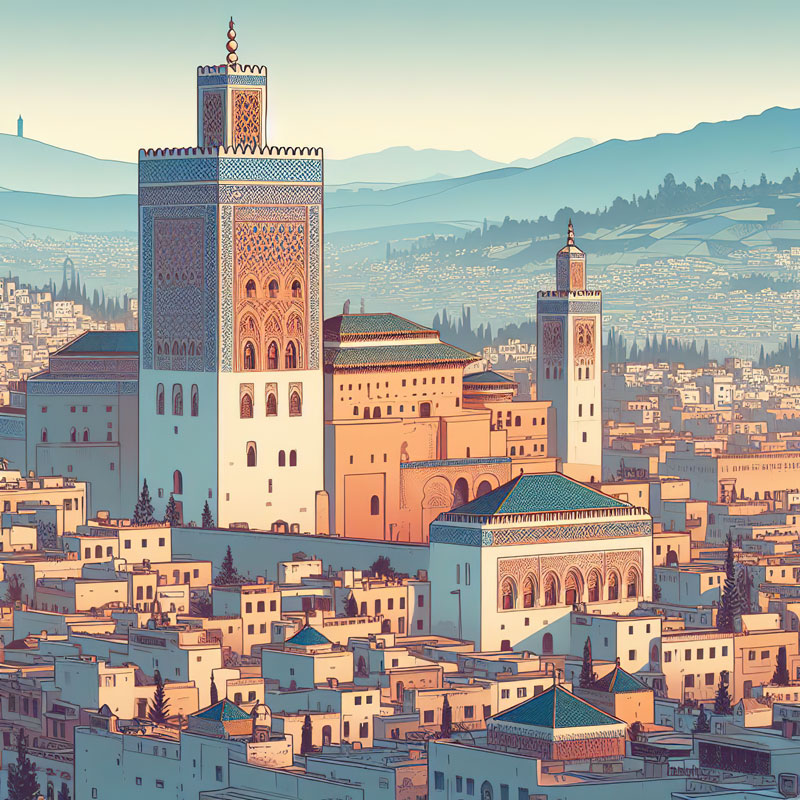
Fatimah’s family, the Fihri clan within the Quraish tribe of Arabia, were prominent among the Muslim leaders of North Africa, settling in Qairouan. The mosque she founded in Fez is named after this city, whose people made their way to Fez and settled around the area where the mosque and university were established in the heart of the city. Fatimah and her sister inherited significant wealth from her father. They used much of their wealth to promote public welfare. Thus, we come to appreciate, despite limited information in historical texts about these sisters, that the spirit of generosity, service to others, and seeking of God’s pleasure were prominent characteristics of these remarkable women. The example of Fatimah also gives us insight into the Islamic rights of women to inherit property, to own assets in their own name, and to make decisions about what to do with their resources. It also shows us that people of means in Islamic society felt a duty to support scholarly efforts and to strengthen institutions that benefit society. Fatimah was a benefactor and philanthropist who in some ways was emblematic of her time, as there were no doubt many other unsung sheroes whose dedication to the ummah has left a lasting legacy. While not all of them may be known to us, we can celebrate them as we lift up the example of Fatimah al-Fihri and pray she inspires generations of young women and men for centuries to come.
Buy On Amazon

Other Books:

Queen Amina

Queen Amina is one such individual. In the late-1500s, she became a ruler in the Hausa Kingdom of Zaria, located in northwest Nigeria. She was

Read More

Queen Aicha

In the early 16th century, North Africa witnessed the remarkable ascent of a queen named Aicha. Her extraordinary journey began with the fall of Ottoman

Read More

Queen Arwa

Set in the tumultuous realm of Yemen, “Queen Arwa of Yemen” follows the remarkable journey of Arwa, a spirited orphan girl whose life takes an

Read More